It is 7:40 on a Thursday. You have two options for the evening: a lounge with low sofas and a short list of small plates, or the bar off the lobby of a hotel four streets away. Both serve good drinks. Both look handsome in photographs. And yet they will produce entirely different nights — one where you settle in and lose track of time, another where you are in and out within the hour, pleasantly enough but without ever quite relaxing.
Knowing which room suits which evening is a small skill worth having. It saves you from shouting over a bar crowd when you wanted to talk, and from sitting in reverent near-silence when you wanted the buzz of a busy room. Here is how the two compare, honestly and practically.
Two Rooms, Two Rhythms
The first difference is not the drinks list. It is what the room is built to do.
The lounge
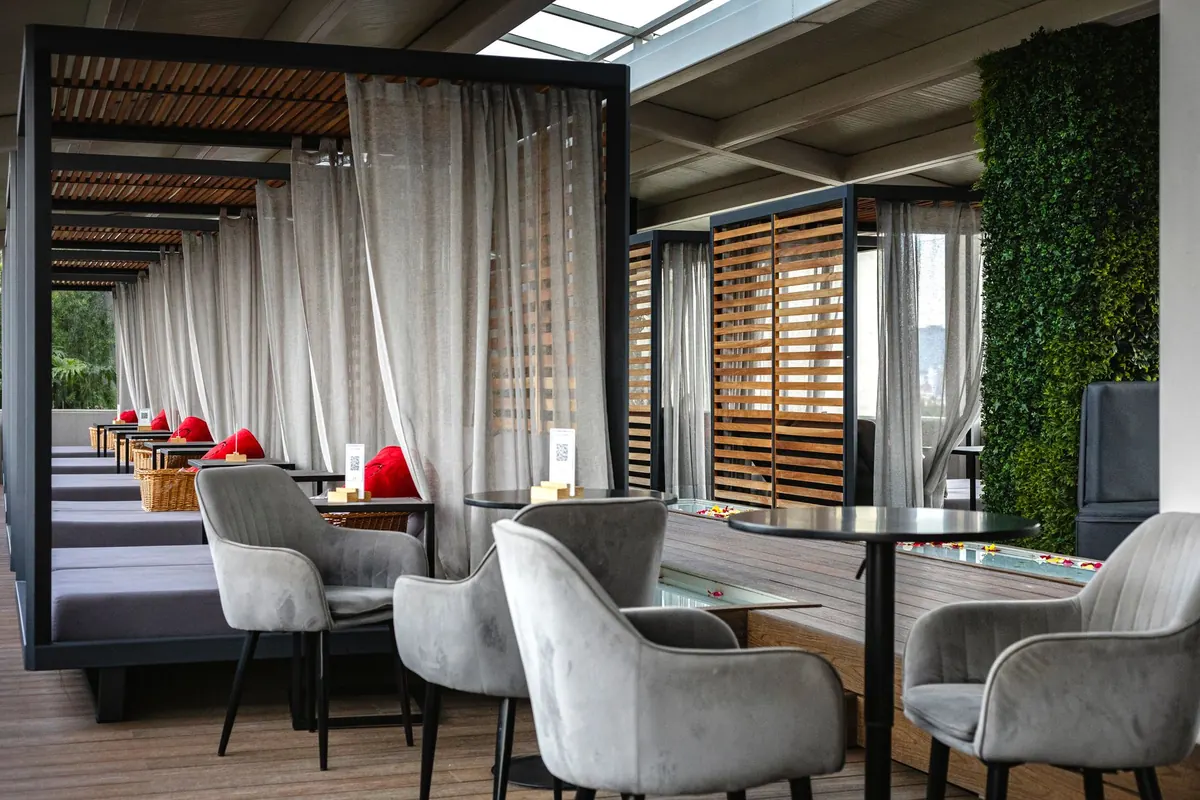
A lounge is designed for staying. Seating is deep and arranged in clusters — banquettes, armchairs, low tables with room for three glasses and a plate of something. Lighting drops after eight, music sits at conversation level rather than performance level, and the layout usually discourages through-traffic. Nobody is walking past your table to reach the lifts. The result is a room with a slow pulse: you arrive, you order, you stay for a second round without anyone hovering.
The hotel bar
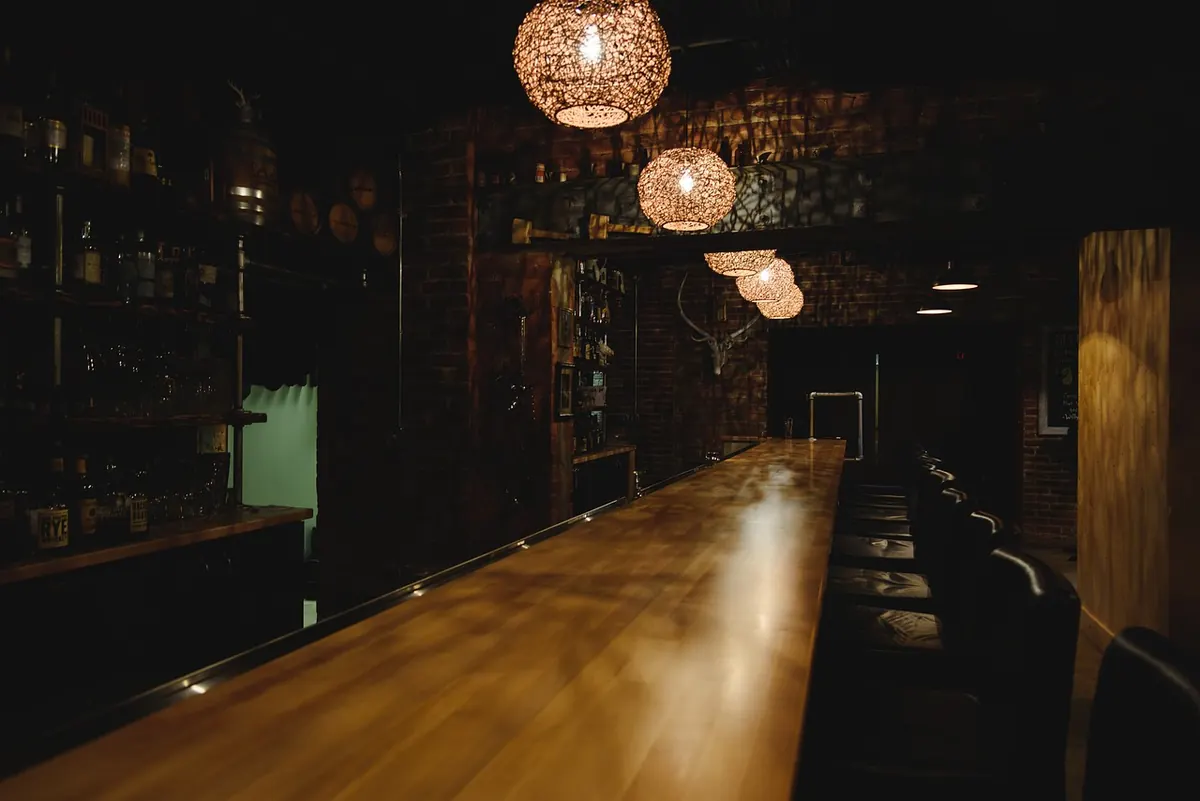
A hotel bar is the connective tissue of a building. It serves guests arriving with luggage, business travellers eating alone, a couple waiting for a dinner reservation, and locals who like the cocktails. That mix is its charm and its complication. Lights tend to be a little brighter, the bar itself is often the focal point with stools and standing space, and at peak hours there is a steady churn of people coming and going. You get energy and theatre; you get less stillness.
Privacy, Noise, and the Table You Actually Get
If the evening depends on a real conversation — a catch-up with a friend you haven't seen since spring, a delicate work discussion, a first date where nerves need quiet — the lounge usually wins, but only if you plan for it. Ask for a corner table or a banquette when you book, and ask what is happening that night. A private event in the next room, or a DJ starting at ten, changes everything.
Hotel bars vary enormously. A small bar in a townhouse property can be as hushed as any lounge. A bar in a large business hotel on a Tuesday can be standing-room only by eight, with a screen above the counter and conversations layered three deep. Before you commit, ask two questions: is the bar used as a waiting area for the restaurant, and how many seats are at the counter versus at tables? The answers tell you whether you are booking a room or a queue.
One detail people forget: hotel bars often take walk-ins as a point of pride, which means your table may not be held. A lounge that takes reservations and paces its seatings will generally give you the table you pictured.
Service: Hosted or Handled
In a lounge, service tends to be table-led. One server looks after your corner for the evening, the pacing is yours to set, and the recommendations come from someone who has watched you drink your first order. You are hosted. That suits long evenings, groups of four to six, and anyone who would rather not carry their own drink back from a counter.
A hotel bar is bartender-led, and the bar is where the skill lives. Sitting at the counter means watching a proper martini being stirred and being able to ask what is in the house bitter. It is faster, more direct, and often more instructive. The trade-off is attention: at busy moments the bartender has twelve people to serve and you are one of them. If you want to be looked after rather than simply served well, take a table in the lounge. If you want to learn something and be out in ninety minutes, take a stool.
Food: Small Plates or a Full Menu
Lounge food is usually built for sharing and for grazing — olives, a plate of cured meat, something warm from a small oven, a proper dessert. Menus are shorter by design, because a lounge kitchen is working in a smaller space and wants the food to arrive without formality. It fits an evening where eating is a companion to drinking rather than the main event.
Hotel bars sit closer to a full kitchen. Depending on the property you can order a club sandwich at eleven at night, a bowl of pasta, or something from the restaurant menu. That flexibility is genuinely useful when plans shift. It also means quality can be more uneven: a bar covering breakfast, lunch, and last orders is stretching in several directions at once.
Whatever you choose, check the last food order time before you go. Kitchens close earlier than bars almost everywhere, and discovering at 10:15 that the small-plates menu ended at ten is a reliably flat feeling.
Matching the Occasion
Use the evening's purpose as your filter, not the photographs.
- Choose a lounge for a long catch-up, a birthday with six friends, a date that needs to breathe, a pre-dinner drink where you want to sit properly, or a quiet hour with a book and something bitter.
- Choose a hotel bar for a drink while you wait for a train, a solo evening where you would rather talk to a bartender than a wall, a quick meeting that needs a neutral address, or a night when you want atmosphere and don't mind noise.
- Choose either for a first drink after work — but book the lounge if you know you will stay, and head for the bar counter if you know you won't.
Questions Worth Asking Before You Commit
A thirty-second call before you leave the house settles most of it.
- Can I reserve a specific table, and will it be held?
- Is there music, a DJ, or an event in the building tonight?
- What time does the kitchen stop taking orders?
- Is there a dress code — smart trainers fine, or jackets expected?
- How many seats are at the counter and how many are at tables?
- Is there a minimum spend on tables at weekends?
If a venue hesitates on the first question, assume the answer is no and plan accordingly.
The Short Version
Pick the lounge when the company matters more than the room, when you want to sit low and stay long, and when someone bringing the drinks to you is part of the pleasure. Pick the hotel bar when you want the energy of a busy counter, a bartender with opinions, and the freedom to order something to eat at an hour that suits you.
Then again, the best version of an evening is often both: a quiet drink in a lounge at seven, a short walk, and a seat at a hotel bar for one last round at ten. Two rooms, two rhythms, one night — and the small pleasure of having chosen each of them deliberately.
Photo: StockSnap / Pixabay