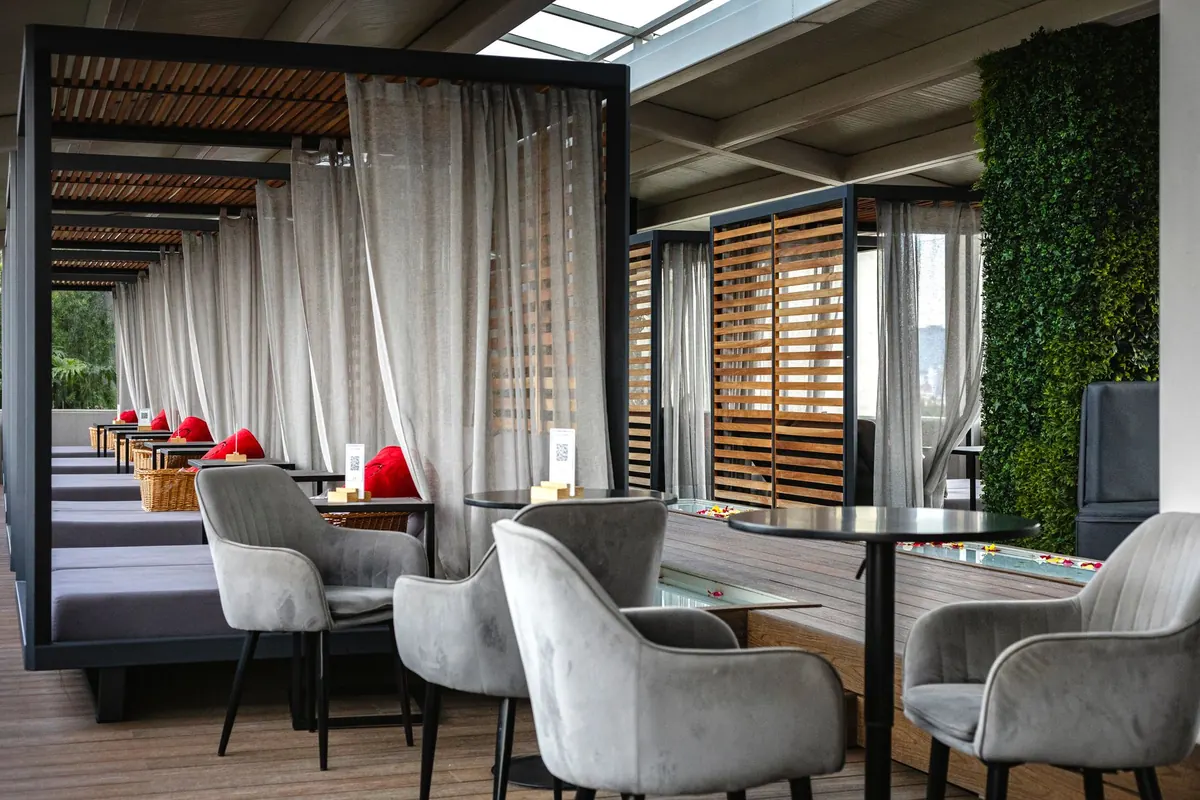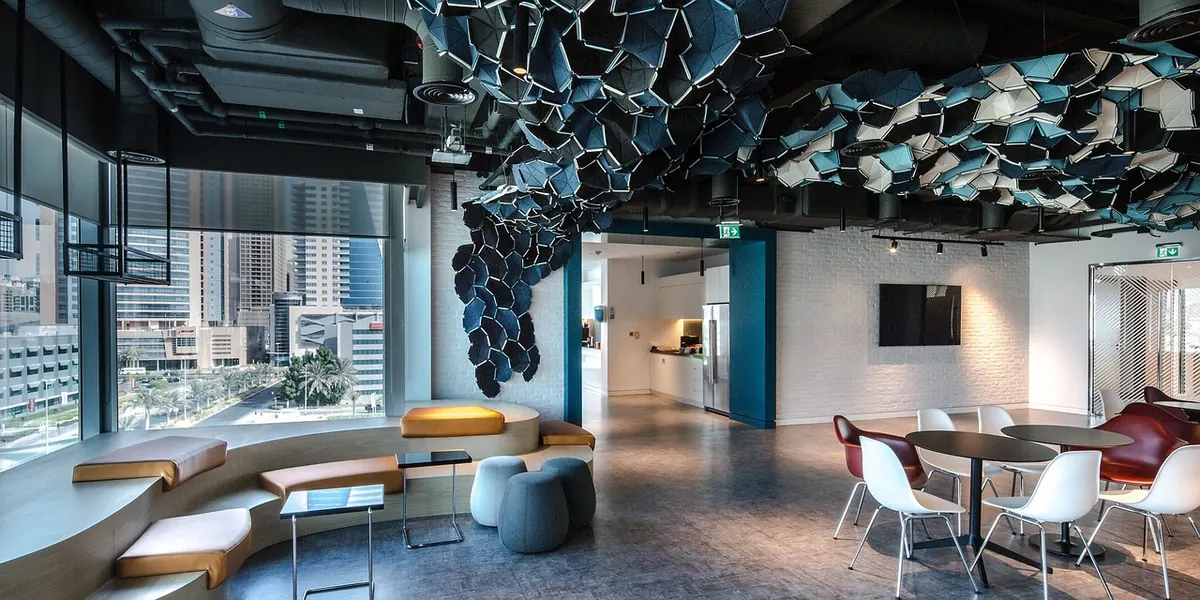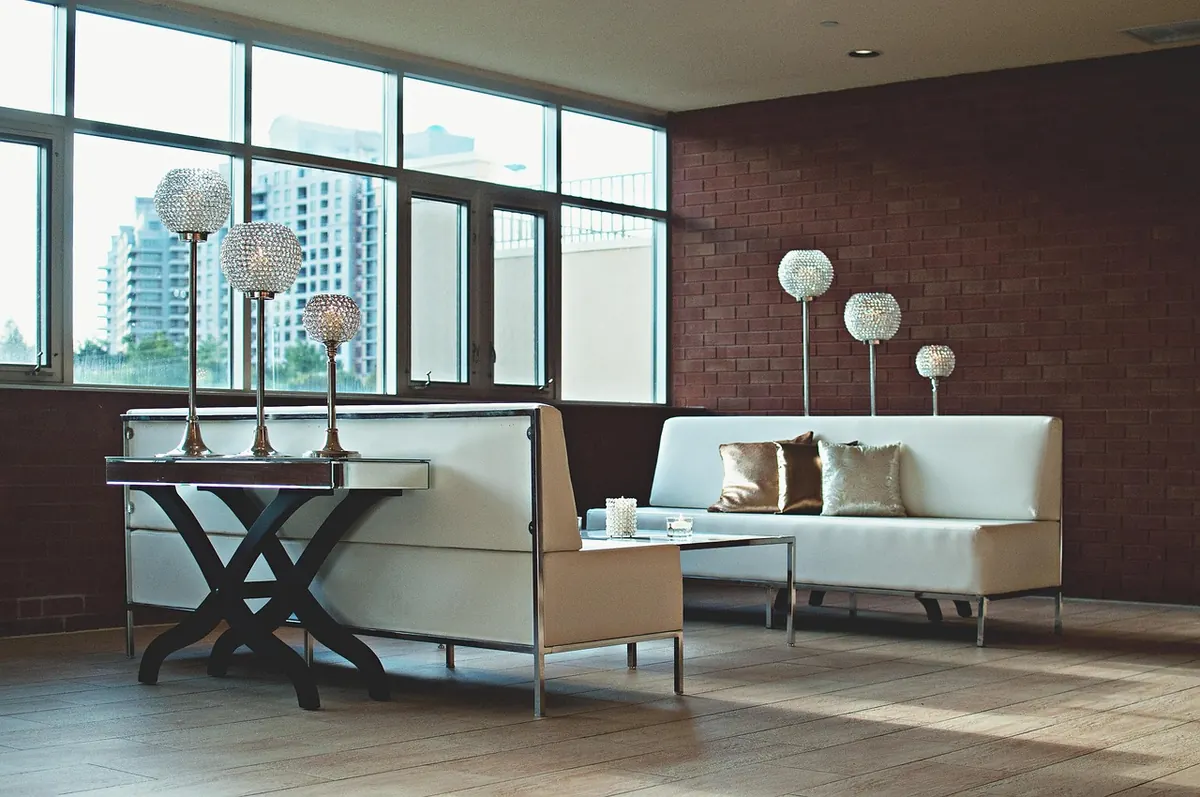
A hospitality lounge sits somewhere between a good hotel lobby, a quiet bar and a living room that happens to come with staff. It is a place built for waiting well, for meeting someone, for stretching an hour into three. The first visit is almost always less complicated than people fear. What trips newcomers up is rarely the menu — it is the small uncertainties. Do I wait to be seated? Is the welcome drink included? Is the jacket necessary? Here is how a lounge visit actually works, so you can walk in, settle down and enjoy it.
What a Hospitality Lounge Actually Is
The term covers a lot of ground. In practice, a hospitality lounge is a serviced seating area designed for comfort rather than turnover. Guests are greeted, seated and looked after, and they are allowed to stay considerably longer than a café would encourage. Some are attached to hotels and serve guests arriving or departing; others sit above restaurants, inside cultural venues, or in business districts where people need a calm hour between appointments.
Three things usually separate a lounge from a bar or a café: a host who controls the seating, table service instead of counter ordering, and a food menu tilted toward lighter things — pastries in the morning, sandwiches and small plates later — alongside a full drinks list. The room tends to be quieter too: lower music, softer lighting, no standing crowd pressed against the bar.
How it differs from a café or a bar
A café expects you to order at the counter and, gently, to free the table when you finish. A bar is built for speed and noise. A lounge is built for duration. That single difference explains most of the etiquette that follows. You are paying for comfort rather than volume, so the pace is slower, staff check on you instead of hurrying you, and the bill tends to arrive when you ask for it rather than the moment you set down your cup.
Not every lounge is open to everyone. Airport lounges depend on airline status, cabin class or a purchased pass; some city lounges are members-only; others take reservations from anyone. Check before you turn up, because a doorman turning you away is a poor start to an evening.
What Service Usually Includes
Exact offerings vary by venue, but a typical visit includes most of the following:
- A greeting at the door and a host who walks you to a table
- Table service throughout, including water poured without being asked
- A drinks list covering coffee, tea, soft drinks, wine, beer and a short cocktail selection
- Light food — pastries and coffee in the morning, salads, sandwiches and small plates later
- A cloakroom or a place to hang a coat
- Wi-Fi, and usually one quiet corner where a short call is acceptable
- Newspapers, magazines, sometimes a terrace or garden
- A bill brought to the table when you request it
What is not always included matters just as much: the welcome drink, a minimum spend, a time limit on tables during busy periods, and a service charge. These vary widely between venues, and they are almost always stated at the time of booking or on the first page of the menu. Reading your booking confirmation takes thirty seconds and prevents the only genuinely awkward moment of a first visit. If something is unclear, ask when you arrive — hosts answer that question several times a day.
The Shape of a Visit, Step by Step
- Arrival. Give your name at the entrance and wait to be seated. Choosing your own table is the most common first-timer slip; the host is balancing a room you cannot see the whole of.
- Seating. Take the table offered. If there is a real reason to prefer another — a draught, a wobbly chair, a preference for a quieter corner — say so politely. Staff will move you if they can. They usually can.
- Ordering. Order drinks first and food when you have decided. Asking what is good that day is welcome, not indecisive; you will get an honest answer.
- The middle stretch. Order in rounds rather than all at once. If you plan to stay through a change of service, mention it early so the team can plan around you.
- Paying. Ask for the bill. In many lounges it will not appear unprompted, because bringing it is read as a hint that you should leave. Check whether service is included before you add a tip.
- Leaving. A nod to the host on the way out is the whole of the ritual. Nobody expects more.
Dress Expectations
Most lounges operate on smart casual, a phrase that causes more anxiety than it deserves. In practice it means clean, presentable and deliberate. Jeans are fine in the great majority of venues. A jacket is never required and never wrong. What to avoid is straightforward: beachwear, gym clothes that still look like gym clothes, and anything you would wear to bed.
The safe middle ground
Dark jeans or trousers, a shirt or a fine knit, clean shoes, and a jacket in winter will get you comfortably through the door of nearly any lounge in Europe. Where a lounge is attached to a formal restaurant or a members' club, the dress code may extend to it — worth a glance at the website before you go. And if you are unsure, ask when you book. A one-line message gets a one-line answer, and no host has ever been offended by it.
Etiquette for First-Timers
Lounge etiquette is mostly ordinary consideration with a few venue-specific habits layered on top.
Keep calls short and quiet
A brief call at your table is fine in most places. A forty-minute meeting is not. Step outside or ask whether there is a corner set aside for it — many lounges have one, precisely because guests keep asking.
Order something
A lounge is a business. Nursing a single glass of water for three hours is noticed, even if nobody says anything. If you are waiting for someone, order a coffee while you wait.
Mention dietary needs when you order
Allergies and preferences are easy to accommodate before the plate is made and difficult afterwards. Say it at the start, not when the food arrives.
Do not rearrange the room
Dragging chairs between tables seems harmless until it blocks a server's path with a full tray. Ask if you need something moved.
Tip according to local custom
Where service is included, rounding up is enough. Where it is not, ten percent is a normal courtesy. Read the bill rather than guessing, and remember that practices differ from one country to the next.
Watch the clock when it is busy
Many lounges hold tables for a set window on weekend evenings. If the team needs the table back, they will tell you — politely and in advance. That is a courtesy, not an eviction.
Questions First-Timers Usually Ask
Do I need a reservation?
Not always, but for evenings and weekends, yes. Walk-ins are usually seated if something is free, though choice of table will be limited.
Can I work there?
Light work — a laptop, a document, a quiet hour — is generally accepted. A full afternoon of video calls is not. Ask first and you will get a straight answer.
Is the welcome drink complimentary?
Sometimes. Ask before you order it, or check whether it appears on the menu. Assuming it is free is how people end up surprised by a bill.
Can I come in just for a coffee?
Usually, yes, though a minimum spend may apply at peak times. It costs nothing to ask at the door.
A Short Checklist Before You Go
- Confirm whether you need a booking, and whether there is a minimum spend or a time limit.
- Check the dress code if the lounge is attached to a restaurant or club.
- Note the address and the entrance — many are tucked inside hotels or courtyards.
- Bring a card; some venues are cashless, and it saves a conversation.
- Arrive a few minutes early, give your name, and let yourself be seated.
Beyond that, the rules are the ones you already know: be considerate of the people at the next table, be clear about what you want, and treat the staff as people doing a job well. Do that and a lounge stops feeling like a place with hidden rules and starts feeling like what it was designed to be — a comfortable room where someone else is looking after things for a while.
Photo: Pexels / Pixabay