Comparing Room Types at Salotto Della Torre: Which Stay Suits Your Trip?
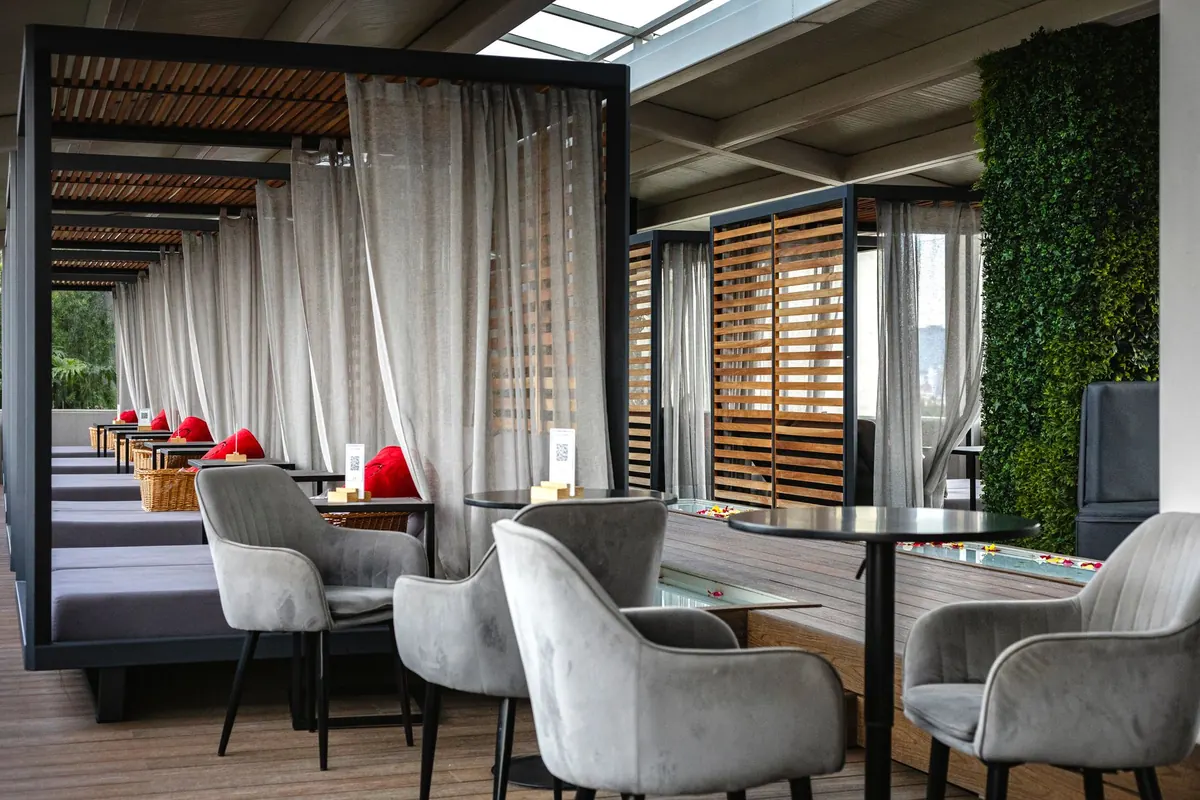
At Salotto Della Torre, the lounge sets the tone: a place to set down a bag, order something cold, and trade the rush of arrival for a slower rhythm. The room you choose shapes how that rhythm continues upstairs. Two rooms in the same building can feel like different stays once you factor in square meters, where the windows face, how close the door is to the lift, and whether you need one bed or three.
This comparison is meant to help you choose with a clear head. Room names and exact layouts can vary by season and availability, so treat the categories below as practical profiles rather than a substitute for the booking page. The aim is simple: match the room to the trip you are actually taking.
Start With the Room Categories, Not the Photos
The first photograph usually shows the bed, the lamp, and a folded towel. It rarely answers the questions that matter at 11 p.m. Will your suitcase fit without blocking the bathroom door? Can you open a window without hearing the street? Is there somewhere to sit other than the bed?
At Salotto Della Torre, the practical room types tend to fall into four groups. Your exact room may carry a different label, so confirm the essentials when you book.
- Classic double or compact room: the efficient choice for one or two guests, usually with a double bed, a small desk or chair, and a bathroom that does its job without extra ceremony.
- Superior room: more breathing space, often a better seating corner, more storage, and a layout that feels less like a landing pad and more like a place to linger.
- Junior suite or lounge-style room: a step up in space and flexibility, with a sitting area that helps on longer stays, rainy afternoons, or trips where work and rest share the same address.
- Family or group-friendly room: the one to ask about when beds, bathroom access, and luggage matter more than a romantic corner. Confirm bed configuration and whether connecting or adjacent rooms are available.
It helps to read the room description as a list of trade-offs rather than a ranking. A compact room is not a lesser stay if you plan to be out from morning until dinner and only need a quiet base. A larger room is not automatically better if you are traveling alone, though it can be a welcome luxury when the weather turns and you want to spend an afternoon reading indoors. The right choice depends on how you use the room, not just how it photographs.
Space: How Much Room Do You Actually Need?
Space is not only about square meters. It is about the path from the door to the bed, the place where a wet coat lands, and whether two people can get ready at the same time without negotiation. A compact room can be perfectly comfortable for a two-night solo trip. It can feel tight for a couple with two large suitcases and a habit of unpacking completely.
Consider the difference between “sleeping space” and “living space.” A classic room usually gives you enough of the first and a modest amount of the second. A superior room tends to add a chair, a larger desk, or a corner where you can put on shoes without sitting on the edge of the mattress. A junior suite adds a genuine sitting area, which changes the rhythm of a longer stay: you can have breakfast in the room without clearing the bed, take a call without perching by the window, or let one person nap while the other reads.
Who needs what
A solo traveler with a carry-on usually has enough in a classic room, especially if the stay is short and the lounge downstairs becomes part of the trip. Couples tend to notice storage and bathroom space first; a superior room is often the sweet spot if you want to spread out without paying for a suite.
A couple with two large suitcases, a laptop bag, and a shared bathroom routine should think carefully about the compact option. Two people can absolutely be happy in a smaller room, but only if they agree on the suitcase strategy: one bag open on the stand, one stowed, and nothing left on the floor. If that sounds like a negotiation you would rather avoid on holiday, the superior room is a practical upgrade rather than an indulgence.
Business travelers and remote workers should look beyond the bed. A proper desk, a chair that is not a decorative stool, and enough space to leave a laptop set up overnight are worth more than a few extra centimeters of floor. For a one-night stop, a classic room may be enough; for three or four nights with calls and deadlines, the junior suite or a superior room with a workable desk usually pays for itself in comfort and concentration.
Families and small groups need a different calculation. The question is not just how many beds fit, but how many people will want the bathroom at 8 a.m., where the wet towels will go, and whether anyone needs a quiet corner before dinner. Ask about bed configuration in plain language: one double, two singles, a sofa bed, or a combination. If the booking page shows a room sleeping three or four, confirm whether that means three separate beds or a double plus a convertible couch. Small details like that decide whether a family stay feels easy or crowded.
The suitcase test and other small checks
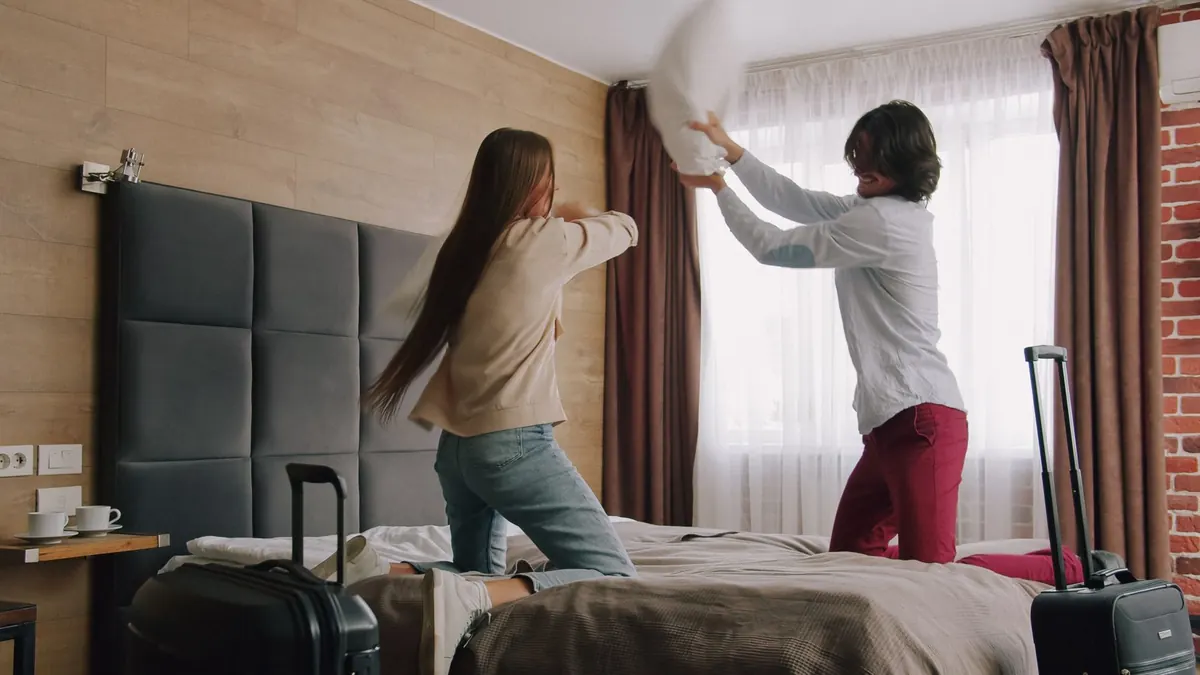
Before you book, picture your arrival. You open the door with a bag in each hand. Is there a clear spot to put them down? Can you walk to the window without stepping over them? Is there a wardrobe or a luggage rack, or will the bags live on the floor for the whole stay? These are not glamorous questions, but they are the ones that make a room feel calm or cramped.
Rule of thumb: if you are staying two nights or fewer and traveling light, choose the efficient room. If you are staying three nights or more, traveling as a couple, or bringing more than one large bag, pay attention to storage and seating before you pay attention to the view.
Light, Noise, and the View: What the Photos Miss
Room type is only part of the story. Position matters too. A room facing the internal courtyard may be quieter; a room on a higher floor may get better light; a room near the lift may be convenient but less peaceful if the building is busy. These details are rarely captured in the main photo, so ask directly if silence or daylight matters to your stay.
If you are sensitive to noise, request a room away from the lift and the main street, and ask whether the windows are single or double glazed. If you sleep with the window open, mention that too. If you need natural light for working or for waking up properly, ask which rooms get morning sun and whether any have a balcony or a larger window. None of these questions are fussy; they are the difference between a room that looks good online and a room that works for you.
View is worth considering, but it is rarely the most important factor in a city stay. A charming view over rooftops can be lovely at sunset, but if the room is also above a lively square, you may end up closing the windows. A less dramatic view over a courtyard can be the better trade for a quiet night. Decide which you value more: the photograph you will take on arrival or the sleep you will get after a long day.
Length of Stay Changes the Math
A one-night stay is mostly about function: a comfortable bed, a hot shower, a smooth check-in, and somewhere safe for your bag. A classic room can be perfectly sufficient, especially if you arrive late and leave early. The lounge downstairs does extra work in that scenario, giving you a pleasant place to pause without needing a larger room to sit in.
A two- or three-night stay starts to reveal the small frictions. Where do you put the shopping? Is there space to hang a damp jacket? Can you sit somewhere other than the bed while you decide where to eat? This is where a superior room earns its keep. It may not sound dramatic on paper, but an extra chair and a bit more floor space can make the difference between a room you tolerate and a room you enjoy coming back to.
Longer stays, especially those mixing work and leisure, benefit most from a junior suite or lounge-style room. When the room becomes your midday retreat as well as your nighttime base, the sitting area matters. So does a layout that lets you separate the laptop from the bed. If you plan to unpack properly, do laundry in the sink, or spend a rainy morning indoors, choose the room with more living space rather than the one with the prettier headboard.
Budget, Value, and the Upgrade Question
The upgrade decision is easier when you attach it to a specific problem. If you are traveling with one carry-on and plan to be out all day, the compact room is good value. If you are traveling with a partner and two suitcases, the upgrade buys you space and patience. If you are staying for a week, the upgrade buys you a place to sit, a place to work, and a place to leave your things without feeling like you are living out of a bag.
Compare the price difference per night, not just the total. A modest nightly upgrade can be worth it if it solves a real issue: no storage, no desk, no quiet corner, no room to move. Skip it if the extra space is simply nice to have and you would rather spend that money on a long lunch or a train ticket to the next town. There is no single right answer, only a sensible match between budget and daily routine.
A Practical Booking Checklist
Use this list when you are comparing rooms, especially if you are booking on a phone and the details are easy to miss.
- Confirm the bed setup: one double, two singles, or a double plus a sofa bed. Ask for measurements if you are tall or sharing with a friend.
- Check the bathroom arrangement: private bathroom, shower or bathtub, and whether the bathroom is inside the room or accessed from a hallway.
- Ask about storage: wardrobe space, luggage rack, and whether a large suitcase fits under the bed or in a corner.
- Request a quiet room if you need one: away from the lift, street, or communal areas. Mention early check-in or late arrival if your travel plans depend on it.
- Think about the lift and stairs: if stairs are difficult, confirm the room is accessible without unnecessary steps.
- Match the room to the longest stay: if you are booking a split trip, choose the room that suits the nights when you will spend the most time indoors.
Matching the Room to the Trip
The simplest way to choose is to name the trip out loud. “Solo, two nights, one bag, out from morning to night” points to a classic room. “Couple, four nights, two large bags, one of us working” points to a superior room or a junior suite. “Family, three nights, two children, early breakfasts” points to the family-friendly option, with bed configuration confirmed in writing. “Long weekend, no fixed plans, hoping for a quiet afternoon” points to the room with the better seating corner and the quieter side of the building.
At Salotto Della Torre, the lounge is the shared constant: a place to regroup before going upstairs, compare notes, or wait for the rain to pass. The room is your private version of that same rhythm. Choose the one that gives you the right amount of space, the right level of quiet, and the right place to put your bags. Then the rest of the trip can take care of itself.
Photo: Vitaly Gariev / Pexels